
GLP-1s, Diet, and Exercise: Evidence-Based Ways To Support Weight Loss and Muscle Preservation

GLP-1 medications can make weight loss feel more doable by helping people eat less without feeling constantly hungry. But the scale does not tell the whole story. Weight loss can include both fat mass and lean mass, and preserving strength and muscle matters for how you look, move, and function day to day. We’ll break […]
Perimenopause Hormone Therapy: When Should You Start the Conversation?

You are sleeping poorly, snapping at people you love, and running hot at two in the morning. Your cycles have become unpredictable. You feel like a stranger in your own body. And yet, when you bring it up with your doctor, the response is something like: “You’re probably just stressed.” For millions of women in […]
Semaglutide vs. Tirzepatide: Key Differences, Benefits, Side Effects, and Who They’re For

Semaglutide and tirzepatide are injectable medications taken once weekly for chronic weight management in eligible adults. While both medications can support weight loss, they work differently, have different FDA-labeled indications, and have shown different average results in major clinical trials.
Tirzepatide vs Semaglutide for Weight Loss: Differences, Results, and Side Effects

Weight loss medications have become an important part of many treatment plans for people managing overweight or obesity. In recent years, newer medications that affect appetite and metabolism have gained attention for their potential role in supporting weight management alongside lifestyle changes and medical guidance.
IV Therapy for Sports Recovery: How Athletes Are Using Vitamin Drips

IV therapy has become an increasingly visible topic in sports recovery conversations, with athletes exploring a range of approaches to support hydration, nutrient balance, and overall recovery. While vitamin drips are often discussed in training facilities and wellness settings, their role is not always clearly understood and may vary based on individual needs, clinical context, and medical oversight.
How Low-Dose GLP-1 Approaches May Support Metabolic Health

Metabolic health is not just about weight. It includes blood sugar control, insulin sensitivity, blood pressure, cholesterol, triglycerides, liver fat, sleep, and inflammation. With obesity rates still high in the U.S. and many states reporting adult prevalence at or above 35%, more people are looking for medical support that feels effective but tolerable.
GLP-1 Microdosing: Potential Benefits, Risks, and Medical Considerations
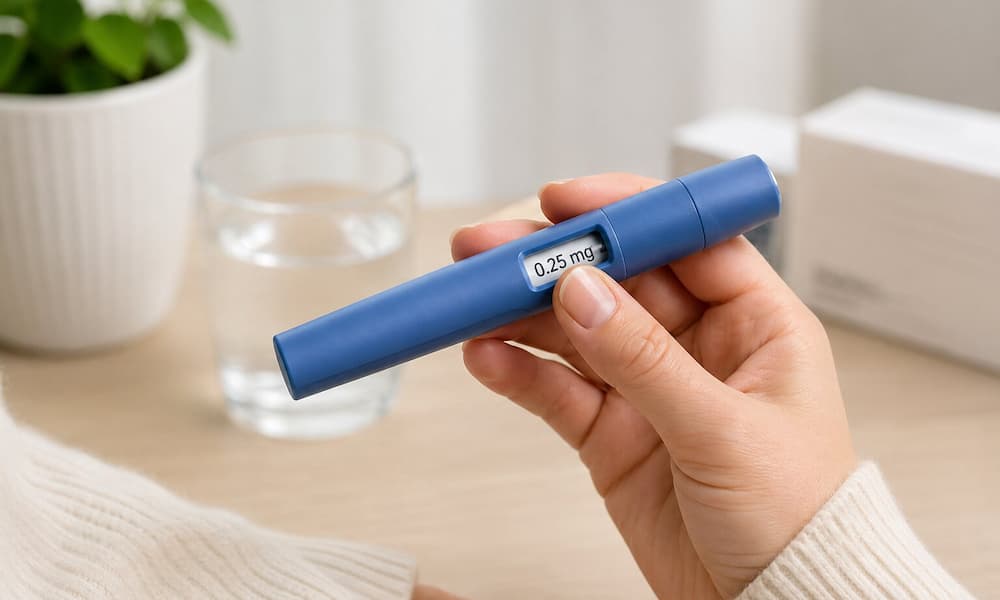
GLP-1 microdosing is an emerging, more gradual approach to metabolic support that uses significantly lower, often customized doses of GLP-1 medications. This is commonly discussed in ranges like semaglutide 0.125 to 0.25 mg weekly, to improve tolerability while supporting appetite control and insulin sensitivity for some individuals.
Precision Weight Loss: How Genetic Testing Personalizes Medical Weight Management

Obesity is a global health challenge with escalating impact. Recent estimates cited in research place the number of adults living with obesity at over 890 million worldwide. Beyond well-known links to type 2 diabetes, cardiovascular disease, and certain cancers, obesity presents a unique problem: it is highly heterogeneous.
Stem Cell Therapy for Back Pain: Potential Benefits, Risks, and What the Evidence Shows

What’s In This Guide Quick Facts Stem cell therapy for back pain is being studied as a regenerative support option, not a cure. Disc degeneration can cause pain through mechanical instability, inflammation, and biochemical changes. Mesenchymal stem cells (MSCs) may influence disc signaling and inflammation, but exact mechanisms remain under study. Clinical evidence is […]
What Is a Myers’ Cocktail IV Therapy?

A Myers’ Cocktail is a nutrient-rich intravenous (IV) infusion first used by Dr. John Myers in the 1960s in Baltimore. It typically delivers concentrated vitamins, such as B vitamins and vitamin C, along with minerals like magnesium and calcium, directly into the bloodstream for rapid absorption.